
 8 min read
  12th August, 2026
Across UK waste and environmental compliance, a pattern is emerging. Paper forms and manual record keeping are being replaced by mandatory digital reporting, and it is happening in several pieces of legislation at once, not just one. Digital Waste Tracking is the clearest example of this shift, but Extended Producer Responsibility for packaging and Simpler Recycling are both part of the same direction of travel, each in its own way.
For any business that generates, handles or is responsible for waste, understanding how these three pieces of legislation fit together can simplify the processes you put in place to ensure compliance across different authorities.
What is Digital Waste Tracking, and why is it being introduced?
Digital Waste Tracking is a new government service designed to create a single, unbroken digital record of waste, from the point it is produced through to its final disposal or recovery. It is being introduced to replace the current fragmented, paper based system. Waste Transfer Notes and hazardous waste consignment notes are being replaced with one digital record that regulators can access directly. Over time, the same approach is expected to extend to the paperwork used for Green List waste exports, currently known as Annex VII forms, bringing that information into the same system.
The case for change is straightforward. Paper records are slow, easy to lose and hard to verify, which makes it difficult for regulators to build an accurate picture of where waste actually goes. Waste crime linked to this gap is estimated to cost the UK economy around £1 billion a year. Digital Waste Tracking, introduced under Section 58 of the Environment Act 2021, is intended to close that gap by giving regulators reliable, near real time data, while also speeding up reporting for legitimate operators.
 The Digital Waste Tracking timeline
Digital Waste Tracking is being rolled out in phases.
Phase 1 – Waste Receivers
Mandatory for operators of permitted or licensed waste receiving sites from 1 October 2026 in England and Wales, with Scotland and Northern Ireland following from January 2027.
Phase 2 – Carriers, Brokers & Dealers
A second phase then extends the requirement to waste carriers, brokers and dealers from October 2027.
Waste Producers
Waste producers are not yet directly in scope of Digital Waste Tracking. That does not mean producers can treat this as somebody else’s problem. Every business already has a legal duty of care for the waste it produces, which includes taking reasonable steps to check that the carriers, brokers and sites it uses are properly authorised and compliant. As the sector around a producer becomes digital, meeting that duty of care should get easier, but the underlying responsibility itself does not change.
 How Extended Producer Responsibility fits in
Extended Producer Responsibility, or EPR, for packaging is a different piece of legislation entirely, but it follows the same underlying pattern. Producers of packaging report their data through the Report Packaging Data service, described by the Environment Agency as the digital service for EPR. Large producers submit data twice a year, small producers submit once a year, and that data feeds directly into how packaging waste is funded and managed.
Digital Waste Tracking and EPR sit under different rules, cover different obligations and are administered by different teams. But the principles behind them are similar. Paper based reporting is being replaced by mandatory digital submission, and businesses that get comfortable with digital compliance now are the ones that will find each new requirement easier to implement as it arrives.
Where Simpler Recycling fits in
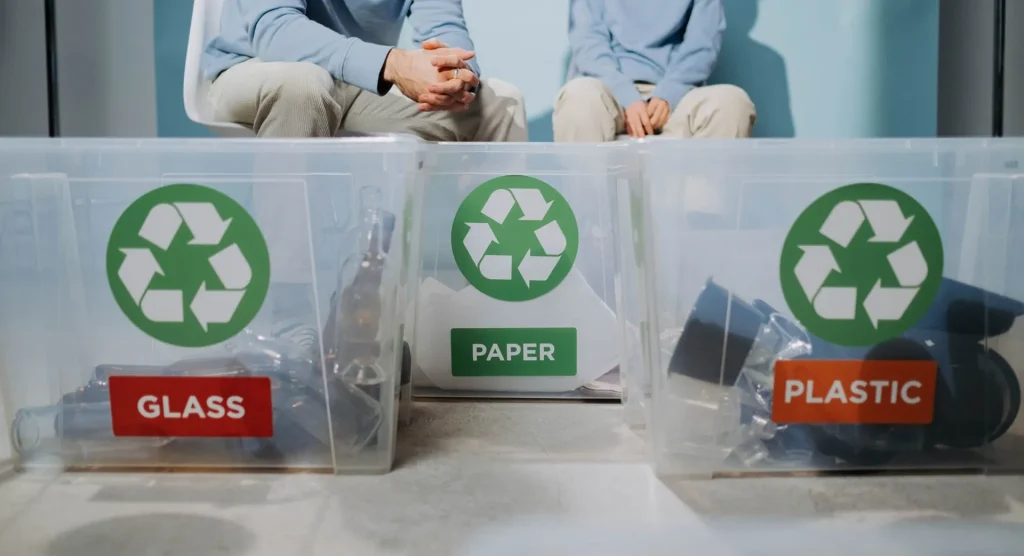
Simpler Recycling is a slightly different case. Unlike Digital Waste Tracking and EPR, Simpler Recycling is not itself a digital reporting system. At its core, it is a physical requirement. Businesses with 10 or more full time equivalent employees have had to separate dry mixed recycling (glass, metal, paper, card and plastic) and food waste from general waste since 31 March 2025, with micro-firms required to do the same by 31 March 2027. Flexible plastics will also need to be separately processed by 31 March 2027 too.
So why does it belong in this article? Because demonstrating and evidencing that separation is actually happening depends on the same kind of digital record keeping that Digital Waste Tracking introduces. As waste movements become digitally logged as standard practice, proving Simpler Recycling compliance stops being a standalone exercise and becomes part of the same connected record. The requirement itself stays physical. The evidence trail behind it is converging with everything else.
Three systems, one shift
Put the three together and the pattern is clear. Digital Waste Tracking, EPR and Simpler Recycling are three different pieces of legislation, overseen by different systems and regulators, but all pushing businesses away from paper, and towards connected digital record keeping.
For a business, the practical implication is that record keeping and reporting are best treated as one connected system, not three separate boxes to tick. A business that builds its waste data processes around this broader shift, rather than reacting to each requirement in isolation, is likely to find compliance considerably more straightforward as further phases and further regulations arrive.
Getting ready for what comes next
None of these changes need to be overwhelming, particularly if preparation starts well before each deadline rather than after it. Greenzone works with businesses across the UK to make sense of what digital compliance actually requires in practice, from Digital Waste Tracking through to Simpler Recycling and EPR obligations. If you would like to talk through what these changes mean for your business, get in touch with our team to find out how to prepare.
Frequently Asked Questions
What is Digital Waste Tracking?
Digital Waste Tracking is a UK government service that records waste movements electronically, replacing paper Waste Transfer Notes and hazardous waste consignment notes with a single digital record accessible to regulators.
When does Digital Waste Tracking become mandatory?
It becomes mandatory for permitted and licensed waste receiving sites from 1 October 2026 in England and Wales, and from January 2027 in Scotland and Northern Ireland. Waste carriers, brokers and dealers follow from October 2027.
Does Digital Waste Tracking apply to waste producers?
Not directly, and not yet. Producers remain outside the current phases of Digital Waste Tracking, but they still carry duty of care obligations for the waste they produce, including checking that the carriers, brokers and sites they use are properly authorised and compliant.
How is EPR different from Digital Waste Tracking?
EPR for packaging is separate legislation, administered through the Report Packaging Data service. It requires producers to report packaging data, twice yearly for large producers and annually for small producers, whereas Digital Waste Tracking records the physical movement of waste itself.
Is Simpler Recycling a digital system?
No. Simpler Recycling is a physical requirement to separate waste streams such as food, glass, paper, card, metal and plastic. However, evidencing that this is being done correctly increasingly relies on the same digital record keeping that Digital Waste Tracking introduces.
What should businesses do now?
Businesses should check where their current record keeping still relies on paper, confirm their waste partners are preparing for Digital Waste Tracking, and review whether their EPR and Simpler Recycling processes will hold up under closer digital scrutiny. Greenzone can help with all three.
Streamline your waste today
Book in a free waste audit to see how we can support your journey to sustainable waste management.



 Contact
 Support Hub
 Customerzone