
 3 min read
  16th May, 2025
If you’ve ever stood over your recycling bin wondering whether that crinkly plastic wrapper goes in or not, you’re not alone. Most of us in the UK do our bit—sorting our waste, rinsing out containers, and filling up the right bins each week. But here’s the surprising part: not all the plastic we toss in the recycling actually gets recycled.
Take plastic film, for example—the stuff that wraps your cucumbers or seals your ready meals. In most areas, that kind of plastic still ends up in the bin. But that’s about to change.
So, What Plastics Can You Recycle at Home?
According to Professor Karl Williams, a waste management expert at the University of Central Lancashire, there are three main types of plastic that are widely accepted in home recycling collections:
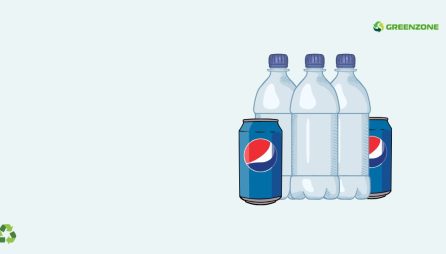
- PET (Polyethylene Terephthalate) – Think fizzy drink bottles.
- HDPE (High-Density Polyethylene) – Commonly used for milk jugs.
- LDPE (Low-Density Polyethylene) – Found in some food bags and flexible packaging.
But here’s the catch: not all councils accept the same materials. Some plastics—like polystyrene or certain films—are often excluded from curbside collections and end up being incinerated instead.
Why Is It So Confusing?
The short answer? Recycling rules vary wildly depending on where you live. What’s recyclable in one postcode might be landfill in another. That’s why you often see labels that say “recyclable where facilities exist.” It’s not just fine print—it’s a reflection of a patchy system.
Prof. Williams puts it plainly: “One of the major challenges we face is that recycling systems vary between regions. This inconsistency makes it harder for households to know what they can and can’t recycle.”
But Here’s the Good News
The government is rolling out a new initiative called Simpler Recycling, and it’s set to shake things up—in a good way.
Starting in 2025 for businesses and 2026 for households, all councils across England will be required to collect the same types of waste. That means no more postcode lottery when it comes to recycling.
And by March 2027, plastic films—yes, even those tricky wrappers—will be recyclable everywhere.
Prof. Williams says this is a “significant change” that will help councils upgrade their systems and include harder-to-recycle plastics like polystyrene. “It’s essential that we don’t keep producing plastic unless there’s a clear, accessible way to recycle it,” he adds.
What This Means for You
In just a couple of years, recycling in the UK will be simpler, clearer, and more consistent. You’ll be able to recycle more types of plastic from home, no matter where you live. And that’s a win for both the planet and your peace of mind.

Streamline your waste today
Book in a free waste audit to see how we can support your journey to sustainable waste management.

 Contact
 Support Hub
 Customerzone