
 7 min read
 13th November, 2026
Quick answer: Why do businesses need vape recycling bins?
Businesses need dedicated vape bins to prevent dangerous battery fires and meet UK waste laws. Retailers are legally required to provide customer take-back points, while offices and venues need safe storage to keep volatile batteries out of general rubbish before a licensed carrier collects them.
Why vapes need their own container
Throwing electronic cigarettes into everyday waste streams presents an immediate danger to property and people. Vapes house compact lithium-ion cells alongside circuit boards and heating coils. When tossed into standard rubbish or dry mixed recycling, heavy compaction blades in collection lorries and sorting hoppers crush the casing. This pressure frequently ruptures the battery, causing sudden chemical thermal runaway and uncontrollable blazes.
Installing a dedicated vape bin physically separates these volatile power cells from other waste streams like paper, cardboard, and packaging plastics so that they do not go through any compaction or processing that could rupture the batteries.
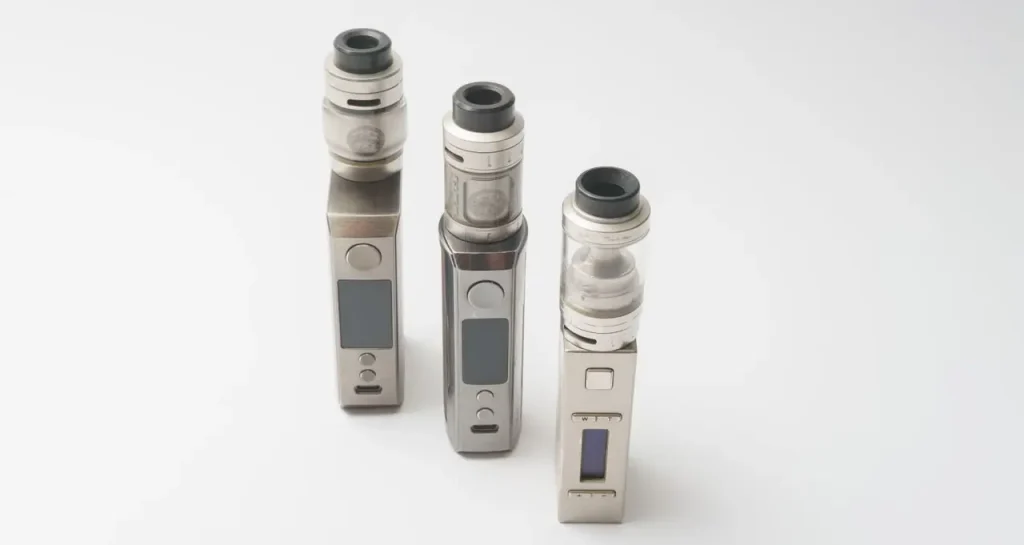 As well as fire risks, throwing vapes into general waste or mixed recycling has a detrimental impact on the environment. The toxic chemicals in batteries can leach into the soil and contaminate local water sources, harming wildlife while valuable materials like lithium, nickel, and cobalt are permanently lost to landfill instead of being recycled.
Where to put vape bins on site
Placing vape bins in practical, high-traffic spots encourages people to use them rather than reaching for the nearest general waste sack. The right setup depends on your sector:
-
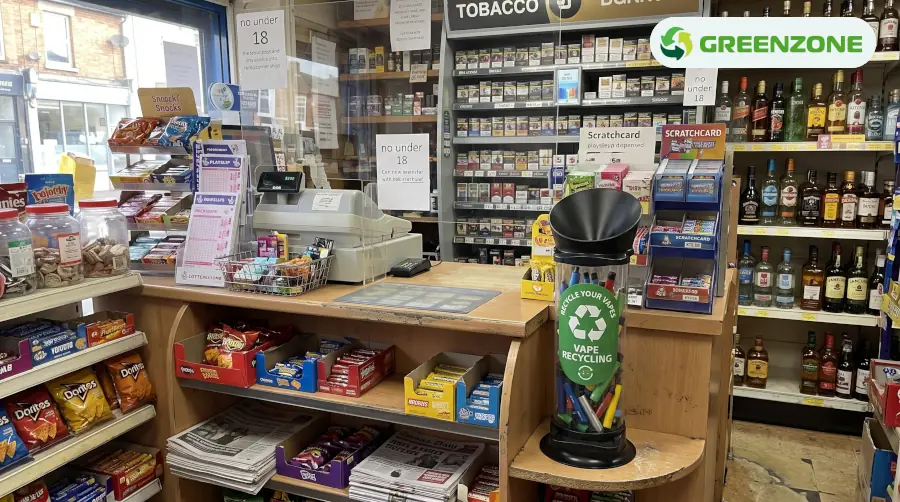
Retail premises: Position your vape recycling bin right by the checkout counter or near the shop entrance. Under current retail rules, stores selling these products must provide a clear drop-off point for visitors. Making the unit prominent shows customers that you accept used devices.
-
Offices and commercial workspaces: Set up a central collection point in designated tea points, main staff canteens, or beside external smoking and vaping shelters. Do not scatter dozens of individual containers across private desks. A single, well-managed station on each floor works best.
-
Hospitality and entertainment venues: Bars, hotels, and event spaces should locate a vape disposal bin in smoking terraces, cloakrooms, or behind the bar where staff can deposit items left on tables.
Always locate containers in dry indoor or sheltered outdoor spots. Keep them away from intense heat sources, direct sunlight, and emergency exit routes. Make sure the signage above the unit clearly tells people what belongs inside.
What can and cannot go in a vape recycling bin
Before launching your service, outline what items your team can place in the container. While these units accept almost all consumer vaping hardware, they cannot take loose liquids or general rubbish.
Accepted items:
-
Single-use disposable e-cigarettes
-
Rechargeable vape pens and pod devices
-
Internal and removable lithium-ion vape batteries
-
Pre-filled and refillable vape pods or cartridges with built-in coils
Items to keep out:
-
Loose e-liquid bottles containing leftover nicotine fluid (dispose of these through regulated chemical routes or wash out empty non-nicotine plastic bottles for regular recycling)
-
Standard household alkaline batteries, such as AA or AAA cells (these belong in a separate battery recycling service)
-
External packaging, cardboard boxes, and paper instruction manuals (place these in standard dry mixed recycling bins)
-
General electronic waste like cables, keyboards, or phone chargers (use dedicated WEEE collections instead)
Keeping materials separated prevents liquid contamination, preserves dry electronics, and keeps processing costs predictable.
How the collection process works
Setting up workplace vape recycling bins is straightforward and requires minimal day-to-day management from your facilities team:
-
Order your containers: Choose the right size container based on footfall. Convenience retailers and bustling hospitality venues often need high-capacity floor units, whereas a typical office floor might only require a sturdy tabletop cylinder.
-
Position and monitor: Set up your bins with bright, clear labels. Assign a team member or cleaning supervisor to inspect fill levels during weekly site checks.
-
Schedule your collection: When the container reaches capacity, contact your waste partner to schedule a collection or set up a recurring exchange cycle. A certified driver collects the full container and replaces it with an empty, clean unit.
-
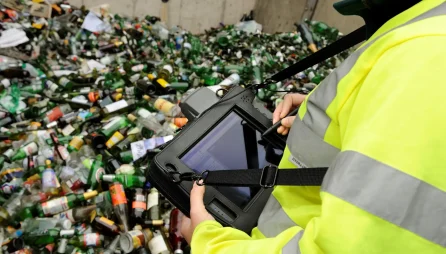
Specialist treatment and sorting: Your collected units travel directly to an authorised processing centre. Technicians and automated sorting lines carefully separate the lithium-ion batteries from exterior metal casings and circuit boards. The metals and battery chemicals return to industrial manufacturing pipelines, ensuring zero electronic waste enters landfill.
The rules in brief
Under UK environmental regulations, every business has a legal duty of care to store electronic equipment safely and hand it solely to an Environment Agency registered carrier. Retailers selling vapes must provide free in-store collection, and all businesses must retain waste transfer notes for every collection. You can inspect the full statutory framework on GOV.UK.
Frequently Asked Questions
Do all businesses need a vape bin?
Offices and venues do not legally have to host a drop-off point for the public, but you do need a safe way to store discarded units found on your premises. Retailers selling vapes must legally provide a dedicated take-back point for consumers.
Can we put vapes in our normal battery bin?
No, you should never drop intact vapes into standard battery collection boxes. Vapes contain plastic casings, heating elements, and residual e-liquids that contaminate normal battery streams. They need their own dedicated container or a dual-certified collection service.
How often should a business vape bin be emptied?
Empty your container whenever it reaches the fill line, or at least every few months to prevent aged batteries from degrading. Busy retail shops and city bars may require monthly or fortnightly collections depending on footfall.
What paperwork does a business need for vape collections?
Your waste contractor must provide a formal waste transfer note or consignment note upon collection. You must store these digital or paper records securely, the Office for Product Safety and Standards recommends storing them for four years to prove legal compliance during environmental audits.
Streamline your waste today
Book in a free waste audit to see how we can support your journey to sustainable waste management.

 Contact
 Support Hub
 Customerzone